
How To Turn On Chrome Dark Mode: A Step-by-Step Guide


 5 min. read
  Updated on

Dark mode has become increasingly popular, and for good reason. It reduces eye strain, saves battery life on some devices, and simply looks sleek. If you’re a Chrome user, enabling dark mode is a quick and easy way to improve your browsing experience.
This guide will walk you through the simple steps to turn on dark mode in Chrome on various devices, including desktop computers, Android phones, and iPhones. If you’re adjusting your Chrome settings on an Apple device, you might also want to know how to enable cookies on iPhone. We’ll also cover some common troubleshooting tips and explain how to customize your dark mode experience.
How Do I Enable Dark Mode on Chrome?
On Desktop (Windows and macOS)
- Open Chrome: Launch the Chrome browser on your computer.
- Access Chrome Settings: Click on the three vertical dots (the “Customize and control Chrome” menu) in the top-right corner of the browser window.
- Navigate to Appearance: In the menu, select “Settings.” This will open the Chrome settings page. In the left-hand sidebar, click “Appearance.”
- Choose Your Theme: Under the “Appearance” section, find the “Theme” option.
- Select “Dark”: Click the dropdown menu next to “Theme” and choose “Dark.” Chrome will immediately switch to dark mode.
- Alternatively, Use System Default: If you want Chrome to automatically match your system’s theme (light or dark), select “System default.” This will ensure that Chrome’s theme aligns with your operating system’s settings. If you’re setting this up on a Windows machine, you may also find it helpful to learn how to get Windows 11 for free so you can use the latest system-level theme features.
On Android
- Open Chrome: Launch the Chrome app on your Android device.
- Access Chrome Settings: Tap on the three vertical dots in the top-right corner of the app.
- Navigate to Theme: In the menu, select “Settings.” Then, scroll down and tap on “Theme.”
- Choose “Dark”: Select “Dark” to enable dark mode.
- Use System Default (Optional): You can also choose “System default” to have Chrome automatically switch between light and dark mode based on your device’s system settings.
On iPhone and iPad
- Open Chrome: Open the Chrome app on your iPhone or iPad.
- Access Chrome Settings: Tap on the three horizontal dots in the bottom-right corner of the app.
- Navigate to Theme: In the menu, select “Settings.” Then, tap on “Theme.”
- Choose “Dark”: Select “Dark” to enable dark mode.
- Use System Default (Optional): Select “System default” to have Chrome automatically switch between light and dark mode based on your device’s system settings. Note that this requires iOS 13 or later.
Tips
- Schedule Dark Mode: While Chrome doesn’t have a built-in scheduler, you can use your operating system’s settings to schedule dark mode. If you regularly back up your system, you might also want to follow this guide on how to back up Windows 10 to an external hard drive.
- Check Chrome Flags: For advanced customization, you can explore Chrome Flags (type
chrome://flagsin the address bar). Be cautious when changing flags, as they can affect browser stability. - Use Extensions: Numerous Chrome extensions offer more advanced dark mode customization options, such as adjusting color palettes and applying dark mode to specific websites. If you organize documents frequently, you might find it helpful to know how to format label templates in Microsoft Word.
Comparing Dark Mode Options
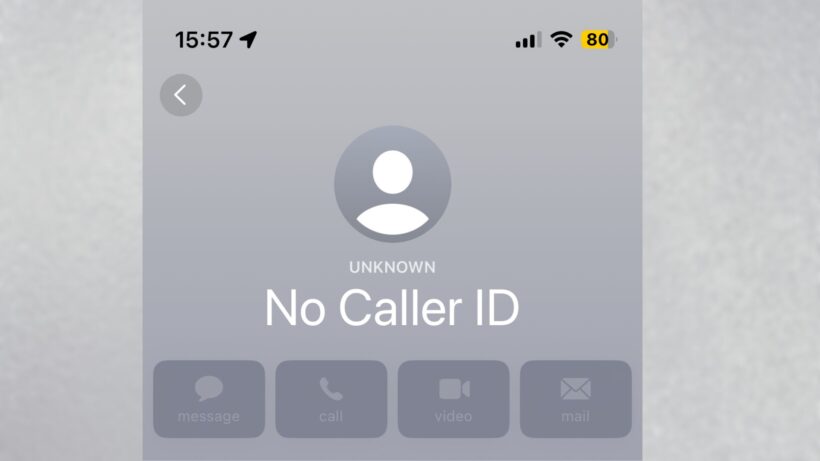
Here’s a quick comparison of the different ways to enable dark mode in Chrome. If you’re troubleshooting other device settings, like caller information on your smartphone, check out this explainer on what “No Caller ID” means and how to handle it.
| Method | Description | Pros | Cons |
|---|---|---|---|
| Chrome Settings | Built-in option to switch to dark mode. | Simple, readily available, applies to the entire browser. | Limited customization options. |
| System Default | Chrome matches the operating system’s theme. | Automatic switching, consistent with system appearance. | Requires system-level dark mode to be enabled. |
| Chrome Flags | Advanced settings for experimental features. | Highly customizable. | Can be unstable, requires technical knowledge. |
| Chrome Extensions | Third-party extensions that offer enhanced dark mode customization. | Wide range of features, website-specific adjustments. | May impact browser performance, potential privacy concerns. |
Enjoying a Darker Browsing Experience
Turning on dark mode in Chrome is a simple process that can significantly improve your browsing experience, especially in low-light environments. Experiment with the different options to find the dark mode setup that best suits your needs.
FAQ
Does Chrome dark mode save battery?
Yes, on devices with OLED or AMOLED screens, dark mode can reduce battery consumption because the pixels displaying black consume less power.
Can I enable dark mode for specific websites only?
Yes, you can use Chrome extensions that allow you to enable dark mode on a per-site basis.
How do I disable dark mode in Chrome?
Follow the same steps as enabling it, but choose “Light” or “System default” instead of “Dark” in the theme settings.
Why is dark mode not working in Chrome?
Ensure that your Chrome browser is up to date. If the issue persists, try clearing your browser cache and cookies or disabling any conflicting extensions.
Does Chrome dark mode affect all websites?
No, Chrome dark mode primarily affects the browser’s interface. Some websites have their own dark mode implementations, while others may not be affected at all.
A More Comfortable Way to Browse
Enabling dark mode is a quick and easy way to enhance your Chrome experience. Whether you’re looking to reduce eye strain, save battery life, or simply prefer the aesthetic, dark mode is a valuable feature to explore.


Read our disclosure page to find out how can you help MSPoweruser sustain the editorial team Read more



Improve this guide


User forum
0 messages