
877 Scam Calls: Is the Number Legit or a Scam?


 23 min. read
  Published on
An unexpected call from an 877 number is not automatically a scam. The 877 prefix is a legitimate toll-free code used by banks, insurers, healthcare providers, retailers, government contractors, customer service departments, and many other organizations.
However, the number on your screen does not prove who is calling. Scammers can register toll-free numbers of their own or use caller ID spoofing to make a legitimate company’s 877 number appear on your phone. Do not provide personal information, verification codes, payment details, or remote access until you have independently confirmed the caller’s identity.
Quick answer: Calls from 877 numbers may be legitimate, but the prefix alone cannot tell you whether a call is safe. Let unexpected calls go to voicemail, then contact the organization through its official app, website, account statement, bill, or the number on the back of your card. Do not use a callback number supplied by the caller.
Table of contents
- Are 877 numbers legitimate?
- What is the 877 area code?
- Why is an 877 number calling me?
- Warning signs of an 877 scam call
- Common scams involving 877 numbers
- How to check an 877 number safely
- Is it safe to answer or call back?
- What to do if you interacted with the caller
- How to block 877 scam calls
- How to report an 877 scam call
- Frequently asked questions
Are 877 numbers legitimate or a scam?
877 numbers are legitimate toll-free numbers. There is nothing inherently fraudulent about a telephone number beginning with 877.
The problem is that practically anyone can use a toll-free number, including scammers. Fraudsters may also spoof an existing number so that your caller ID displays the real telephone number or name of a bank, government agency, utility provider, or well-known company.
This means you cannot determine whether a call is safe by looking at the prefix.
| Situation | What it may mean | Safest response |
|---|---|---|
| You requested a callback from a company | It may be legitimate | Confirm the representative knows why you requested the call |
| You recently opened a support case | It may be a genuine support call | Verify the case through your official account |
| The caller asks for immediate payment | High-risk behavior | Hang up and contact the company independently |
| A voicemail tells you to call another 877 number | The callback number is unverified | Do not use the number in the message |
| The caller asks for a verification code | Likely account takeover attempt | Hang up immediately |
| The caller demands gift cards, crypto, or a wire transfer | Strong scam indicator | Do not pay |
| Caller ID shows a company you recognize | It may still be spoofed | Call the number on the company’s official website or your statement |
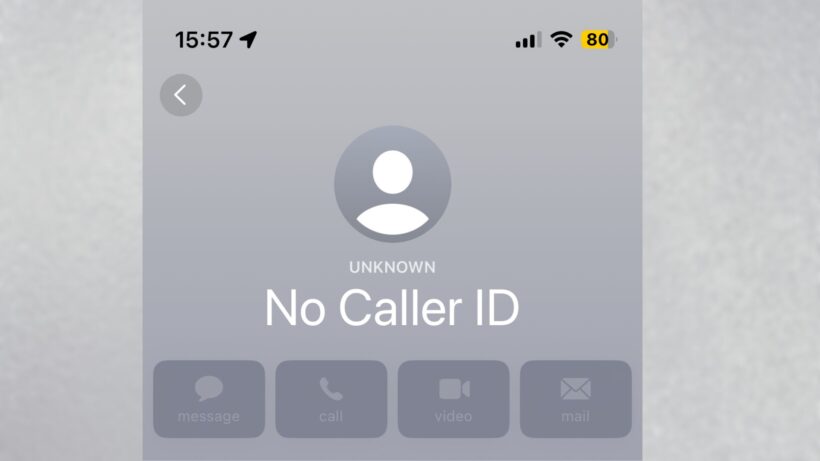
Caller ID is useful, but it is not identity verification. The FTC and FCC both warn that scammers can falsify the name and number displayed on your phone.
What is the 877 area code?
The 877 prefix is one of several North American toll-free codes. Others include 800, 888, 866, 855, 844, and 833.
Although people commonly search for the “877 area code,” it is not connected to a particular city, state, or region. An 877 number could be used by an organization operating anywhere in the United States, Canada, or another part of the North American Numbering Plan.
Toll-free numbers are designed so that ordinary landline callers are not charged for the call. The organization receiving the call normally pays the applicable telecommunications cost. This does not mean every service offered through a toll-free number is free, nor does it make the organization trustworthy.
Legitimate organizations use 877 numbers for purposes such as:
- Customer support
- Appointment reminders
- Account security notifications
- Insurance and healthcare services
- Order confirmations
- Billing assistance
- Fraud prevention
- Technical support
- Debt collection
- Sales and telemarketing
Scammers use the same prefix because toll-free numbers look familiar, professional, and national.
Why is an 877 number calling me?
There are several possible explanations.
A legitimate company may be returning a call, confirming an appointment, investigating a transaction, collecting a genuine debt, conducting a survey, or contacting you about an existing account.
The call could also be an unwanted sales call, an automated robocall, a wrong number, or a scam.
The context matters more than the prefix. Ask yourself:
- Were you expecting the call?
- Do you have an account with the organization?
- Did you recently request support?
- Is the caller asking for information the real organization should already have?
- Is the caller creating panic or urgency?
- Are you being told not to hang up?
- Does the caller want an unusual or irreversible payment?
There are also two different ways 877 numbers appear in scams.
1. The incoming call appears to come from an 877 number
The number could belong to:
- A real organization
- A telemarketing company
- A scammer using its own toll-free number
- An innocent organization whose number has been spoofed
Do not assume that the owner of the displayed number placed the call. Spoofing can cause an innocent business to receive complaints about calls it never made.
2. A message tells you to call an 877 number
The number may appear in:
- A voicemail
- A text message
- An email
- A fake invoice
- A subscription renewal notice
- A computer security pop-up
- A letter or postcard
- A fraudulent search advertisement
This version can be especially convincing because you initiate the call. The number may connect to a fake call center where someone answers using the name of a bank, retailer, government agency, or technology company.
The FTC advises consumers not to use the contact information contained in an unexpected message. Instead, find the organization’s real contact information independently.
Signs an 877 call is probably a scam
A legitimate organization may call unexpectedly, so one warning sign alone is not always proof. Several of the following behaviors together strongly suggest fraud.
The caller creates an emergency
Scammers want you to act before you have time to think. They may claim:
- Your bank account is being emptied
- Your Social Security number was suspended
- Your computer has been hacked
- Your electricity will be disconnected
- A relative has been arrested
- A large purchase was made in your name
- Your subscription will renew within hours
- Police are coming to arrest you
Urgency is used to prevent independent verification.
You are told to move money to “protect” it
A bank, government agency, or fraud investigator will not unexpectedly direct you to transfer your savings to a “safe account,” cryptocurrency wallet, payment app, or another person.
The receiving account belongs to the scammer.
The caller asks for a verification code
A one-time code sent by text, email, or an authentication app is usually meant to confirm a login or account change.
A scammer who asks you to read the code aloud may already have your password and need the code to finish taking over your account. The FTC’s guidance is direct: a caller asking for your account verification code is a scammer.
The caller demands an unusual payment method
Be highly suspicious when payment must be made through:
- Gift cards
- Cryptocurrency
- A wire transfer
- A money transfer service
- A payment app
- Cash
- Gold
- A barcode paid at a store
- A prepaid debit card
These methods are attractive to scammers because they can be difficult or impossible to reverse.
The caller requests remote access
A fake technician may ask you to install screen-sharing or remote-support software. Once connected, the scammer may view your files, access online banking, change settings, install malicious software, or manipulate information displayed on your screen.
Unexpected callers should never be given remote access to your phone or computer.
You are told not to speak to anyone
Scammers may say that bank employees, police officers, family members, or even your spouse cannot be trusted.
Secrecy protects the scam. A legitimate investigation does not require you to hide a payment from your bank or family.
The caller refuses to let you verify the story
A scammer may insist that you remain on the line, warn that hanging up will cancel your protection, or claim that calling the organization separately will compromise an investigation.
A real company should not object when you say you will contact it through an official channel.
The caller knows personal information
Knowing your name, address, email, bank, phone provider, or recent purchase does not prove the call is genuine.
The information may have come from public records, social media, data breaches, lead-generation forms, stolen customer data, or a previous scam attempt.
Common scams involving 877 numbers
Fake bank fraud department calls
The caller claims to have detected unauthorized purchases, transfers, or a compromised account.
They may ask you to:
- Confirm your card or account number
- Read back a verification code
- Install a security application
- Transfer money to a protected account
- Approve a notification
- Add a new payment recipient
- Withdraw cash
Do not follow the caller’s instructions. End the call and contact your bank using its official app or the number printed on the back of your card.
Do not assume the call is genuine because caller ID displays your bank’s real number. Bank numbers can be spoofed.
Fake Amazon, Apple, Microsoft, Google, or subscription support
You may receive a message claiming that:
- An expensive order was placed
- A subscription is renewing
- Your cloud storage is full
- Your account was hacked
- Your device contains a virus
- A refund is waiting
- Your account will be suspended
The message tells you to call an 877 number to cancel the charge or resolve the problem.
Once you call, the fake representative may request remote access, payment details, gift cards, or access to your bank account. The FTC warns that fake support operations may advertise fraudulent telephone numbers or place them in alarming renewal messages.
Open the company’s official app or manually visit the website you normally use. Check your order history, subscriptions, security alerts, and payments there.
Government impersonation calls
Scammers may claim to represent:
- The IRS
- Social Security Administration
- Medicare
- The FTC
- FBI
- Local police
- A courthouse
- Immigration authorities
They may threaten arrest, suspension of benefits, deportation, fines, or legal action.
Government agencies do not unexpectedly demand payment through gift cards, cryptocurrency, payment apps, or wire transfers. Caller ID showing a government agency does not prove the call came from that agency.
Medicare and healthcare scams
A caller may offer:
- A replacement Medicare card
- A plastic Medicare card
- Free medical equipment
- Genetic testing
- Braces
- Additional benefits
- A new healthcare plan
The real objective is often to obtain a Medicare number, Social Security number, or financial details.
Do not provide your Medicare number to an unexpected caller. Contact Medicare or your insurer through an independently verified number.
Utility shutoff scams
The caller says your electricity, gas, or water will be disconnected unless you pay immediately.
The scammer may direct you to purchase cryptocurrency, buy gift cards, send a payment through an app, or visit a store to pay a barcode.
Hang up and access your utility account through its official website, app, or the number printed on your bill. The FTC warns that real utility companies do not demand an immediate, unconventional payment to prevent same-day disconnection.
Fake debt collection calls
Some debt collectors legitimately contact consumers by telephone, so a collection call is not automatically fraudulent.
However, do not provide financial information until you know who is calling and have received validation information about the debt. This should identify the collector, the creditor, the amount claimed, and your dispute rights.
Threats of immediate arrest, refusal to provide validation information, and demands for unusual payment methods are major warning signs.
Family emergency and voice-cloning scams
A caller may sound like your child, grandchild, spouse, friend, or employer. They claim to be injured, arrested, stranded, or in another emergency.
Voice-cloning technology can make an impersonation more convincing. Hang up and contact the person through a number you already know. You can also contact another relative who can verify the situation.
How to check whether an 877 number is legitimate
1. Let unexpected calls go to voicemail
A voicemail gives you time to evaluate the claim without pressure.
A professional-sounding message is not proof of legitimacy. Scammers can use polished recordings, case numbers, employee IDs, and call-center background noise.
2. Save the details
Write down or save:
- The displayed number
- Any separate callback number
- The date and time
- The caller’s claimed name
- The organization represented
- The reason for the call
- Any employee, case, or invoice number
- The information or payment requested
Keep the voicemail, text, email, invoice, screenshots, receipts, and transaction details.
3. Do not use the number supplied by the caller
Do not verify the call by dialing:
- The number shown on caller ID
- The number in the voicemail
- A number in an unexpected email or text
- A number displayed in a pop-up
- A number dictated by the representative
The displayed and callback numbers may both lead to the same scam operation.
4. Find the organization independently
Use a trusted source such as:
- The official mobile app
- The number on the back of your bank card
- A recent statement or bill
- A bookmarked account page
- A number you previously saved
- The organization’s verified website
- An official government directory
Be careful with search results. Scammers sometimes buy advertisements or create fake support pages containing fraudulent telephone numbers.
5. Check your account directly
For a claimed purchase, transfer, subscription, delivery, balance, or security incident, sign in through the official app or website.
Do not follow a link from the suspicious message.
6. Ask the real organization whether it contacted you
Provide the real representative with:
- The call time
- Displayed number
- Claimed department
- Reference number
- Reason given
- Actions requested
Even when the organization cannot confirm the call immediately, do not resume contact with the original caller.
7. Treat reverse lookup results as supporting evidence only
Consumer reports associated with a number may reveal a pattern, but they do not prove who made your particular call.
Caller ID can be spoofed, numbers can be reassigned, and an innocent business may own the displayed number.
Is it safe to answer a call from an 877 number?
Simply answering a typical scam call does not automatically give the caller access to your bank account, passwords, or phone.
The significant risks begin when you:
- Disclose personal or financial information
- Share a password or verification code
- Press a link sent by the caller
- Install an application
- Grant remote access
- Approve an account notification
- Send money
- Allow changes to your mobile account
If you answer and realize the call is suspicious, hang up. You do not need to explain yourself, challenge the caller, or prove that you recognize the scam.
Do not press a button to be placed on an illegal robocall’s internal “do not call” list. The FTC recommends hanging up because interacting with an illegal robocall may lead to additional calls.
Should you call an unknown 877 number back?
Do not call back until you have independently verified the number.
An ordinary 877 number is normally toll-free and is not the same as an international premium-rate number. However, calling it may connect you directly to a scammer trained to extract information, obtain remote access, or persuade you to send money.
The safer method is to contact the organization through a number you found independently.
Is an 877 call a one-ring scam?
Not in the traditional sense.
The classic one-ring, or Wangiri, scam places a brief call from an international or premium-charging destination. The scammer hopes the recipient will call back and incur expensive charges.
An 877 number is normally a North American toll-free number, so an unexplained missed call from 877 should not automatically be described as an international one-ring billing scam.
A fraudster could still place a short missed call to encourage a callback. In that situation, the principal danger is likely to be the social-engineering conversation after you call, not an automatic international premium charge.
What to do if you already interacted with the caller
Your next steps depend on what happened.
| What happened | Likely risk | What to do now |
|---|---|---|
| You answered but shared nothing | Usually limited | Hang up, block the number, and monitor for follow-ups |
| You called back but shared nothing | The caller knows your number is active | End contact and watch for further attempts |
| You shared a password | Account takeover | Change it immediately and anywhere it was reused |
| You shared a verification code | Immediate account risk | Contact the real institution and secure the account |
| You shared identity information | Identity theft | Start an official identity-recovery plan |
| You shared bank or card details | Financial fraud | Contact the bank or card issuer immediately |
| You sent money | Financial loss | Contact the payment provider and request a reversal |
| You installed remote-access software | Device and account exposure | Disconnect access, remove the software, and secure accounts |
| You lost control of your phone number | SIM-swap or port-out attack | Contact your mobile carrier immediately |
If you answered but shared nothing
Hang up and block the number.
Save the call details if the caller impersonated a company or threatened you. Watch for follow-up calls, emails, or text messages that continue the same story.
There is usually no reason to replace your phone, close every account, or panic solely because you answered.
If you shared a password
Using the official website or app:
- Change the password immediately.
- Change it on every other account where it was reused.
- Sign out of other sessions.
- Review recovery email addresses and phone numbers.
- Remove unfamiliar devices.
- Enable multifactor authentication.
- Check for unauthorized account changes.
Secure your email account first when possible. Access to email can help a scammer reset passwords for other services.
If you shared a verification code
Contact the real institution immediately through its official app or telephone number.
Explain that you disclosed a one-time code to an impersonator. Ask the institution to review logins, transfers, linked devices, password resets, and account changes.
Change your password and revoke unfamiliar sessions. Do not approve any additional notifications.
If you shared your Social Security or identity information
Use the FTC’s official identity-theft recovery service to create a personalized recovery plan.
Review your credit reports and consider placing a credit freeze with all three nationwide credit bureaus. A freeze restricts access to your credit file, making it harder for someone to open a new account in your name. It is free to place and lift.
A fraud alert is different. It tells prospective lenders to take additional steps to verify your identity. It does not lock the credit file in the same way as a freeze.
If you shared bank or card information
Contact your bank or card issuer through the number on your card or official account.
Tell the fraud department exactly what was disclosed. Depending on the circumstances, ask it to:
- Lock or replace the card
- Review recent transactions
- Stop pending transfers
- Change account credentials
- Remove unfamiliar devices
- Check linked payment apps
- Add additional account security
- Reverse unauthorized charges
Do not continue communicating with the caller while the bank investigates.
If you sent money
Act immediately, but understand that recovery is not guaranteed.
Contact the company used to send the money and state clearly that the transaction resulted from fraud.
- Credit or debit card: Ask the issuer to reverse the fraudulent charge.
- Bank transfer: Ask the bank to stop, recall, or reverse the transfer.
- Wire transfer: Contact both the transfer service and your bank.
- Payment app: Report the recipient and request a reversal.
- Gift card: Contact the gift-card issuer and keep the card and receipt.
- Cryptocurrency: Contact the exchange or service used to send it. Cryptocurrency transfers are normally difficult to reverse.
- Cash shipment: Contact the carrier immediately and ask whether interception is possible.
The FTC recommends asking the payment provider for recovery regardless of the payment method, even when success is uncertain.
If you installed remote-access software
- End the remote session.
- Disconnect the device from the internet if access appears ongoing.
- Remove unfamiliar remote-access programs.
- Update the operating system and security software.
- Run a full security scan.
- Change important passwords from a separate trusted device.
- Review email, banking, shopping, and payment accounts.
- Contact financial institutions if banking information was visible.
- Check for unfamiliar user accounts, browser extensions, or forwarding rules.
If you are unsure whether access has been removed, have the device inspected by a trusted technician who was not recommended by the caller.
If the scammer took control of your phone number
Contact your mobile carrier immediately and report a possible SIM swap or unauthorized number transfer.
After regaining control:
- Change the carrier account password and PIN
- Review recent SIM and port-out changes
- Secure your email account
- Change financial account passwords
- Check for unauthorized transactions
- Replace text-message authentication with an authentication app or security key where available
The FTC specifically recommends contacting the carrier immediately after a suspected SIM swap and then reviewing financial accounts for unauthorized activity.
Watch for recovery scams
People who have already lost money are frequently targeted again.
A new caller may claim to be an investigator, lawyer, government agent, cryptocurrency specialist, or recovery company that can retrieve the money for an upfront fee.
Do not pay an unsolicited recovery service. The FTC warns that advance-fee recovery offers are often another scam.
How to block calls from 877 numbers
Block the individual number, not the entire 877 prefix. Many legitimate organizations use 877 numbers.
Block the number on an iPhone
On current iPhones:
- Open the Phone app.
- Open Recents.
- Tap the number or the information button beside it.
- Scroll down.
- Select Block Caller.
On iOS 26, blocked contacts can also be managed under Settings > Privacy & Security > Blocked Contacts.
You can also screen or silence unknown callers through the Phone settings, but review the option carefully. It could silence legitimate calls from doctors, delivery drivers, schools, banks, or other people who are not in your contacts.
Block or report the number on Android
On phones using Google’s Phone app:
- Open the Phone app.
- Open the call history.
- Select the unwanted call.
- Tap Block or Report spam.
You can also enable caller ID and spam protection in the Phone app’s settings. Menu names may differ on Samsung and other manufacturer-specific interfaces.
Use carrier and call-filtering tools
Your mobile or home-phone provider may offer:
- Scam call warnings
- Automatic spam blocking
- Call screening
- Anonymous call rejection
- VoIP call filtering
- Landline blocking devices
Call-labeling services are helpful but not perfect. Some scams will not be flagged, and some legitimate calls may be mislabeled.
Blocking one number may not stop the operation because scammers can change numbers or spoof a different caller ID.
Will the Do Not Call Registry stop 877 scam calls?
The National Do Not Call Registry can reduce legitimate sales calls from companies that follow the law. It does not prevent criminals from placing illegal scam calls.
Scammers ignore the registry, use spoofed numbers, and often operate outside normal telemarketing systems. Call blocking and call labeling remain important even after registering.
The registry also does not mean that every call you receive is illegal. Certain informational calls, charitable calls, political calls, debt-collection calls, and calls from organizations with which you have an established relationship may be treated differently.
How to report an 877 scam call
Report fraud or financial loss to the FTC
Use the FTC’s fraud reporting service when:
- You lost money
- You disclosed personal information
- You gave someone account access
- You have information about a scam operation
- A caller impersonated a business or government agency
FTC reports help authorities identify trends and build cases.
Report unwanted calls through the Do Not Call system
Use the FTC’s unwanted-call reporting process when you did not lose money but want to report an illegal sales call or robocall.
The FTC recommends reporting:
- The number that received the call
- The number displayed on caller ID
- Any callback number provided
- The date and time
- The caller’s claimed name or organization
Report the displayed number even when you suspect spoofing. Calling patterns can still help regulators and call-blocking providers identify illegal activity.
Report spoofing or unwanted communications to the FCC
The FCC accepts complaints involving:
- Unwanted calls
- Unwanted texts
- Caller ID spoofing
- A person’s own number being spoofed
- Telephone service and billing issues
The FCC states that individual complaints may inform enforcement and policy work even when it cannot resolve every unwanted-call complaint personally.
Notify the organization being impersonated
Contact the real bank, utility, retailer, insurer, government agency, or technology company.
Provide the voicemail, email, displayed number, callback number, and payment instructions. This may help the organization warn other customers and investigate abuse of its name.
Frequently asked questions
Are all 877 numbers scams?
No. The 877 prefix is a legitimate toll-free code used by real companies and organizations. However, scammers can obtain 877 numbers or spoof numbers belonging to legitimate organizations. Evaluate what the caller asks you to do, then verify the call independently.
Where is the 877 area code located?
It is not connected to a particular city, state, or region. It is a non-geographic toll-free code used throughout the North American telephone system.
Is 877 a toll-free number?
Yes. Numbers beginning with 877 are generally toll-free numbers. This means the ordinary caller is not charged a traditional landline long-distance fee. The prefix does not guarantee that the business or service behind the number is trustworthy.
Is it safe to answer an 877 call?
Answering alone is not usually harmful. Do not disclose information, share codes, click links, install applications, grant remote access, approve account changes, or send money until the caller has been verified.
Can answering an 877 call hack my phone?
A normal voice call does not automatically install software or provide access to your phone. The greater danger is being persuaded to install an application, follow a malicious link, share account credentials, or grant remote control.
Can scammers spoof a real company’s 877 number?
Yes. Caller ID spoofing can make a legitimate company’s real name or number appear on your screen. Hang up and contact the company through its official app, website, statement, bill, or payment card.
Should I call an 877 number back?
Only after verifying the number independently. Do not rely on the number in caller ID, a voicemail, text, email, invoice, or security pop-up.
Why do 877 numbers keep calling me?
The calls could come from a genuine call center, telemarketer, debt collector, wrong-number dialer, robocall campaign, or scam operation. Repeated calls from changing numbers may indicate caller ID spoofing or a large automated calling campaign.
Can I block every number beginning with 877?
Some services may technically allow prefix-level filtering, but blocking all 877 calls is generally a bad idea. You could miss legitimate calls from banks, healthcare providers, customer service departments, insurers, and other organizations.
What if the caller already knew my name and address?
That does not prove legitimacy. Names, addresses, phone numbers, account providers, and other details may be available through public records, marketing databases, social media, or data breaches.
What should I do if I gave the caller a verification code?
Contact the real institution immediately, change your password, revoke unfamiliar sessions, review transactions and account settings, and explain that a code was disclosed to an impersonator.
What should I do if I only said “yes”?
Do not panic. Saying a word during a call does not by itself give someone control of your bank account. The more important question is whether you also disclosed account information, approved a transaction, shared a code, installed software, or agreed to a paid service.
Bottom line
An 877 number is not automatically a scam number. It is a legitimate toll-free prefix used by thousands of real organizations.
But the number on your screen cannot verify the caller. Scammers can register toll-free numbers, place fake callback numbers in messages, or spoof the real number of a company you trust.
When an unexpected caller asks for personal information, a verification code, remote access, or urgent payment, hang up. Contact the organization through its official app, website, statement, bill, or payment card.
Anyone who already shared information or sent money should act immediately. Secure the affected accounts, contact the financial institution or payment provider, save the evidence, and report the scam.


Read our disclosure page to find out how can you help MSPoweruser sustain the editorial team Read more



Improve this guide


User forum
0 messages